FAKĪRĪKula Project

The Yoga of Miracles

India Pilgrimage Retreat 2027

Bhagawān Nityānanda and the Yoga of Miracles

Archival footage of Bhagawān Nityānanda courtesy of Niranjan Suvarna

The pilgrimage

A deep dive into Sacred India.

India is the birthplace of yoga, the land of incredible mystery with thousands of years of sacred heritage. For seekers on the path of sādhana, the path of liberation, it has been a place of pilgrimage for millennia. Our India Sacred Pilgrimage Retreat is designed to offer seekers an intensive experience of India and Indian culture along with a profoundly deep spiritual practice immersion. This year we are focusing on the sacred places of Bhagawān Nityānanda.

We'll be traveling to and practicing in places where he lived and visiting the sites associated with him and his closest disciples. We will also visit powerful sacred temples dedicated to the Goddesses Lakṣmī, Vrajeśvarī, and Bhadrakālī.

Bhagawān was known for performing all kinds of miracles. For us, we will be invoking his miraculous power of healing and the bestowal of knowledge and liberation.

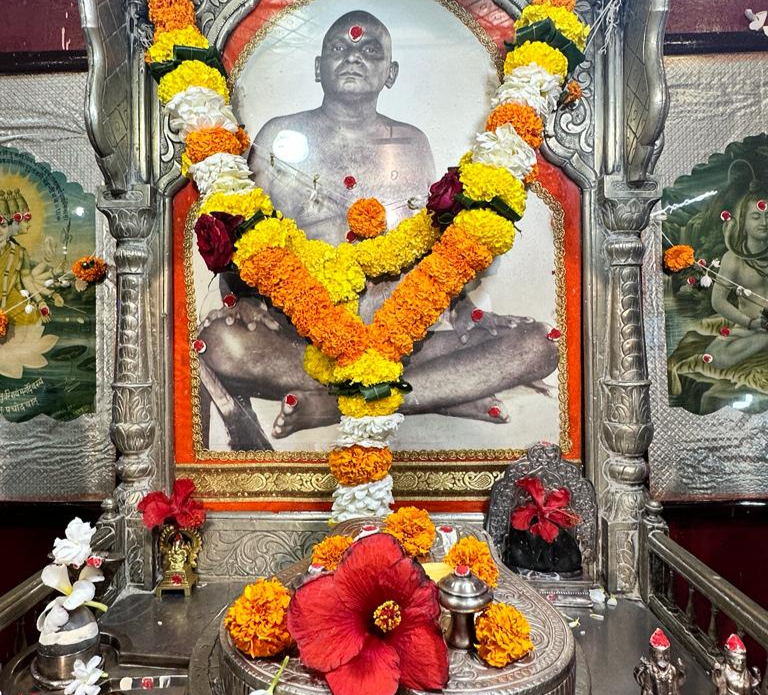
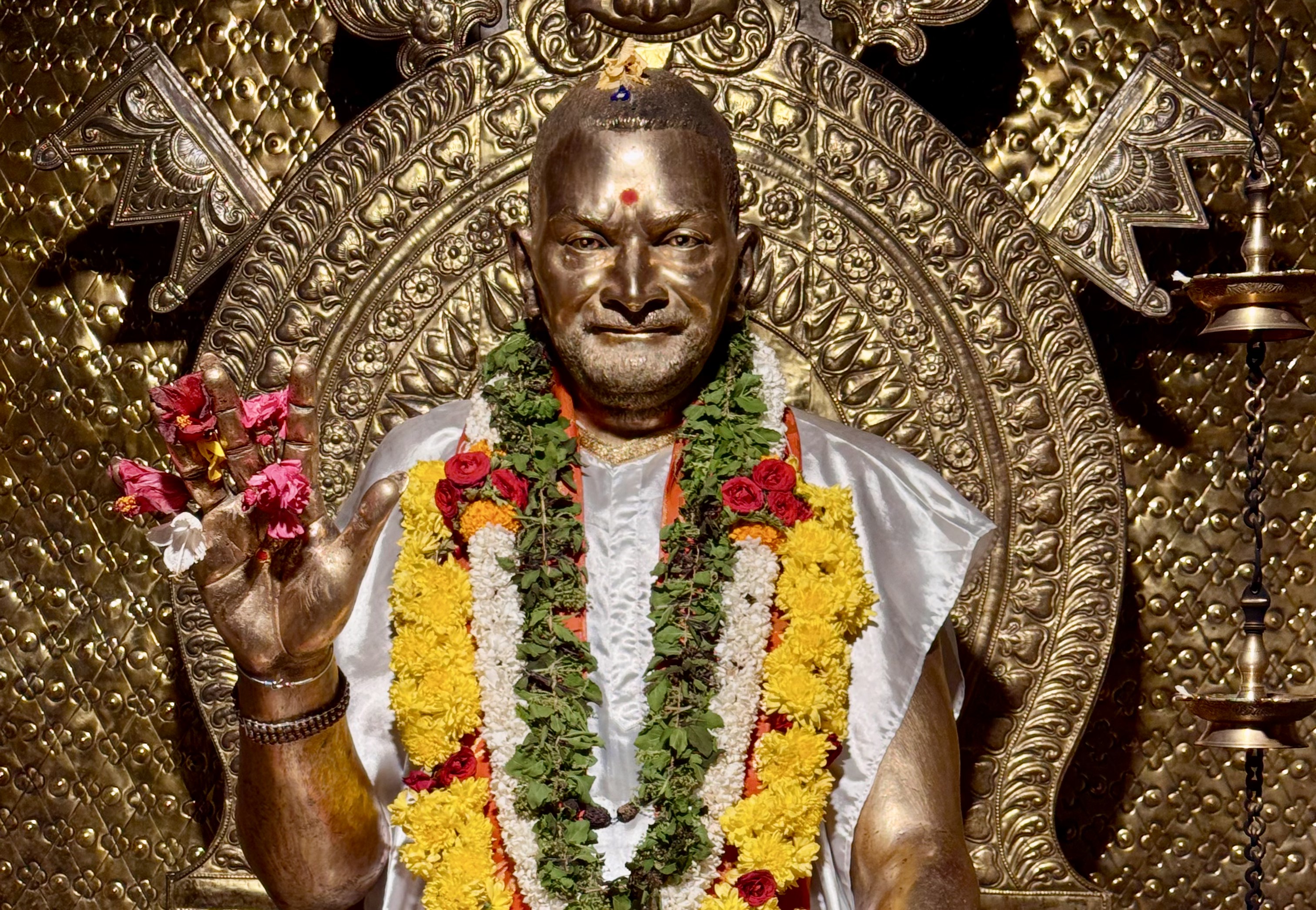
A garlanded image of Bhagawān Nityānanda

The orientation

This is not a tourist trip.

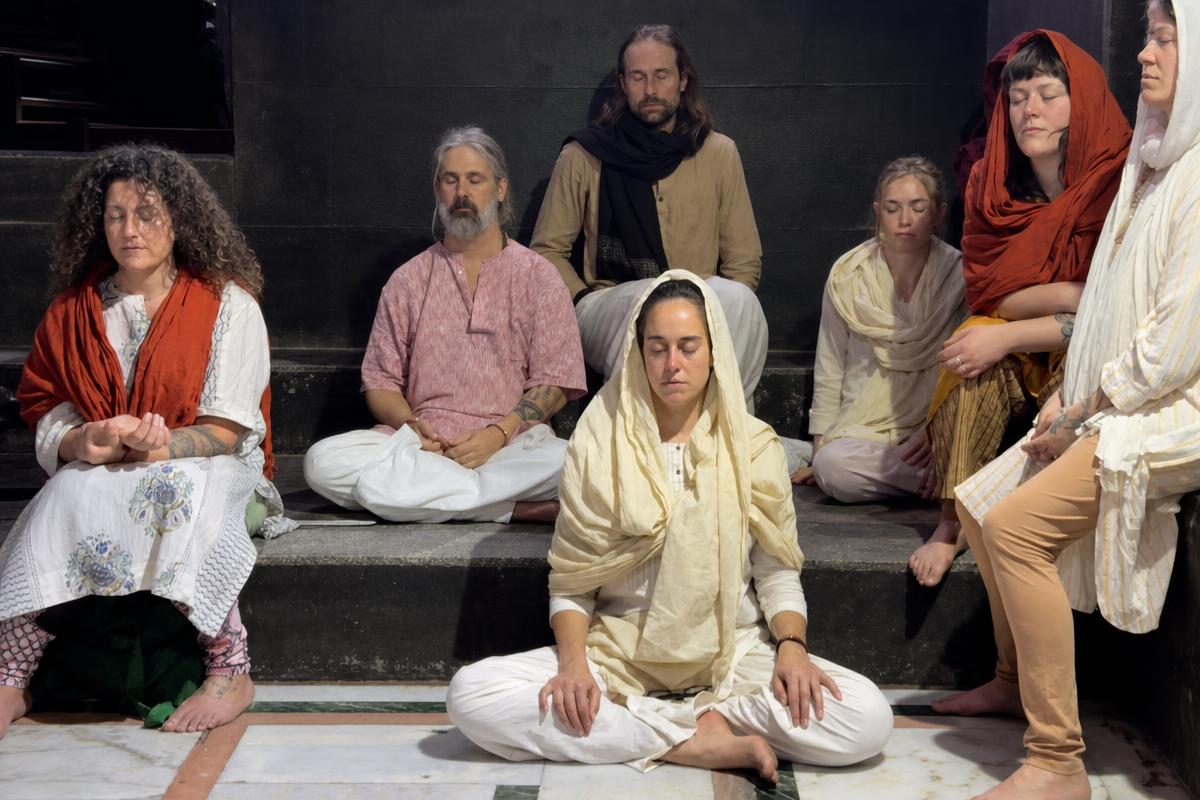
A group meditating together on retreat

Harshada and Ramya have led numerous trips to India. Harshada has been traveling to India since 1997 and has been leading group retreats to India since 2005. He has a vast network of connections there and an outstanding local team assisting with the pilgrimage. Traveling with groups in India is Ramya's full time career. They have brought hundreds of seekers over the course of nearly 30 years and have honed their retreats into extraordinary, one-of-a-kind offerings.

We travel in a small, deeply oriented group—usually less than 15 people—and we avoid typical tourist destinations. Ramya and Harshada provide plenty of in-depth cultural orientation and an in-depth training for all participants so everyone knows how to be in synch with Indian culture and experience the “real India”, instead of the India that is put together for tourists.

Typically, once we leave Mumbai, we don't even see many other Westerners until we return to Mumbai.

A deep learning experience.

Before India, we will do several weeks of preparation together, and more after the trip. This offering is really an immersive training experience in traditional Mahāyoga.

A life changing retreat.

We will follow a retreat schedule with early morning tea and journalling, daily meditation and nāmasaṅkīrtana (chanting) practice, āsana and prāṇāyāma sessions and satsaṅga with the retreat teachers the whole time learning, asking questions, and going deep into our process of awakening.

Meet your guides

Harshada and Ramya.

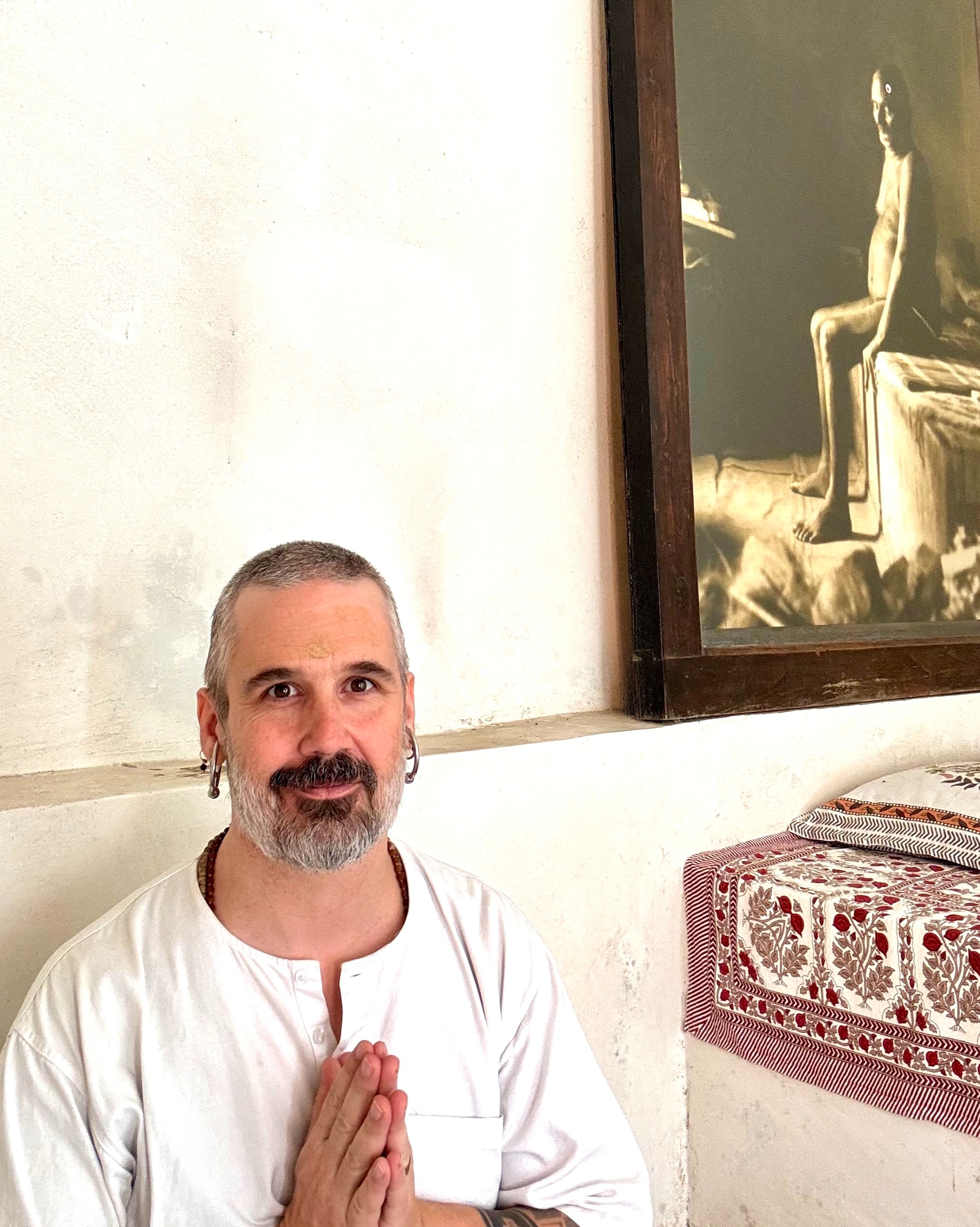
Harshada Wagner in India

Harshada

Harshada Wagner has been traveling to India since 1997 and leading group pilgrimage retreats there since 2006. He has been teaching yoga and meditation in the lineage of Bhagawān Nityānanda for more than 30 years.

Harshada loves bringing people to India and has a unique talent of holding space, managing impeccable logistics, teaching the highest teachings and also keeping the experience fun and easy.

He is the founder and director of Fakīrī Institute and the author of On the Field of Dharma – based on the yogas of the Bhagavad Gītā.

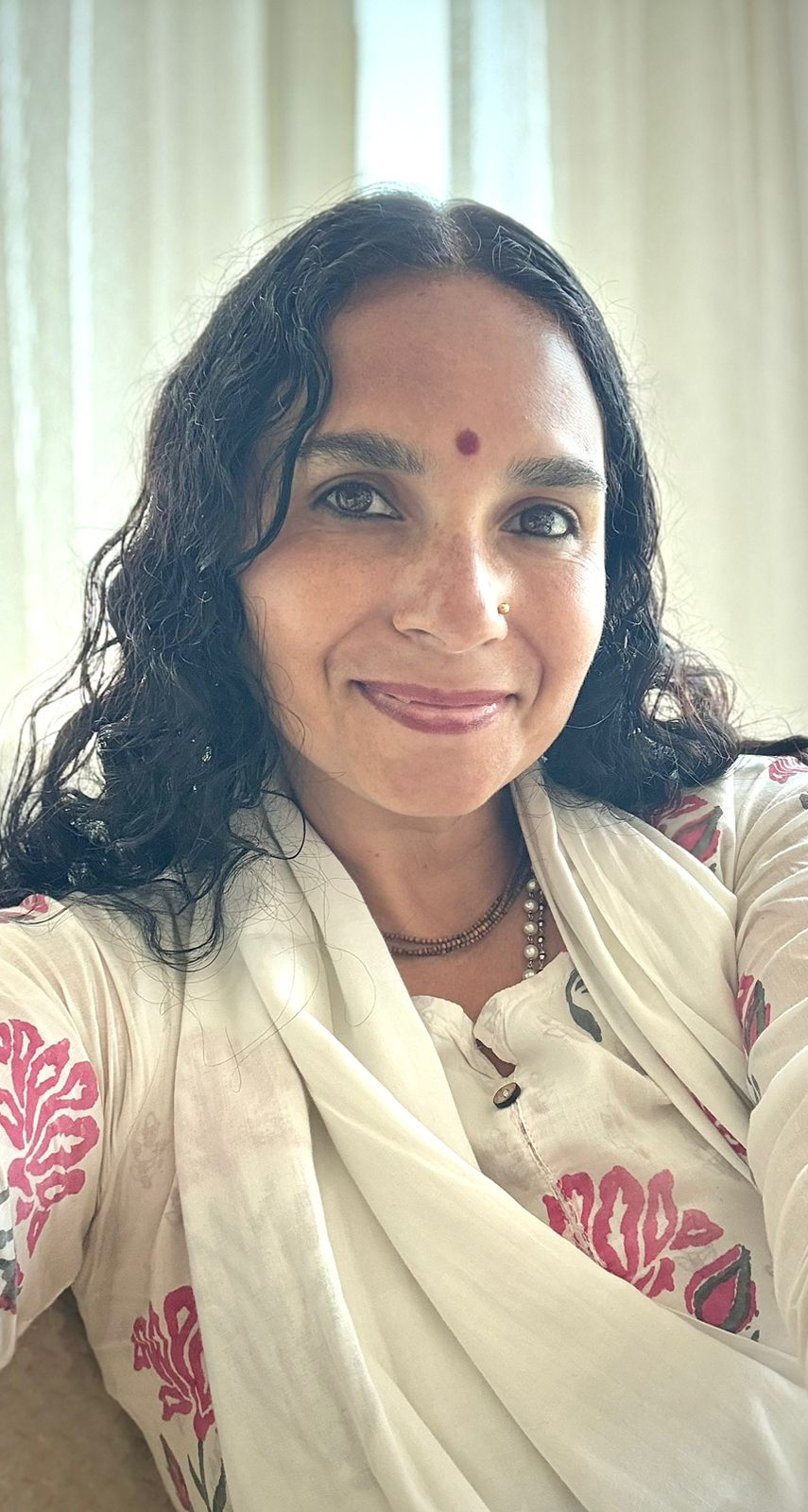
Ramya Lluvia

Ramya

Ramya LLuvia was born in Oaxaca Mexico and currently lives in Gaṇeshpurī India. She has been teaching philosophy, Haṭha Yoga, and meditation for more than twenty years in the lineage of Bhagawān Nityānanda.

She speaks five languages and has worked as a translator and interpreter for various spiritual teachers and philosophers during their visits to Mexico and India.

She is the co-founder of the online yoga platform Yoga Cloud, and co-director of Ramya & Tariq Spiritual Tours where she guides people from all over on spiritual pilgrimages and travel experiences that promote personal growth.

Ramya and Harshada have known each other since 1997. Ramya brings a vast knowledge of yoga, music, mystical philosophy, and Indian culture and many years of experience leading travel experiences in India.

Getting there

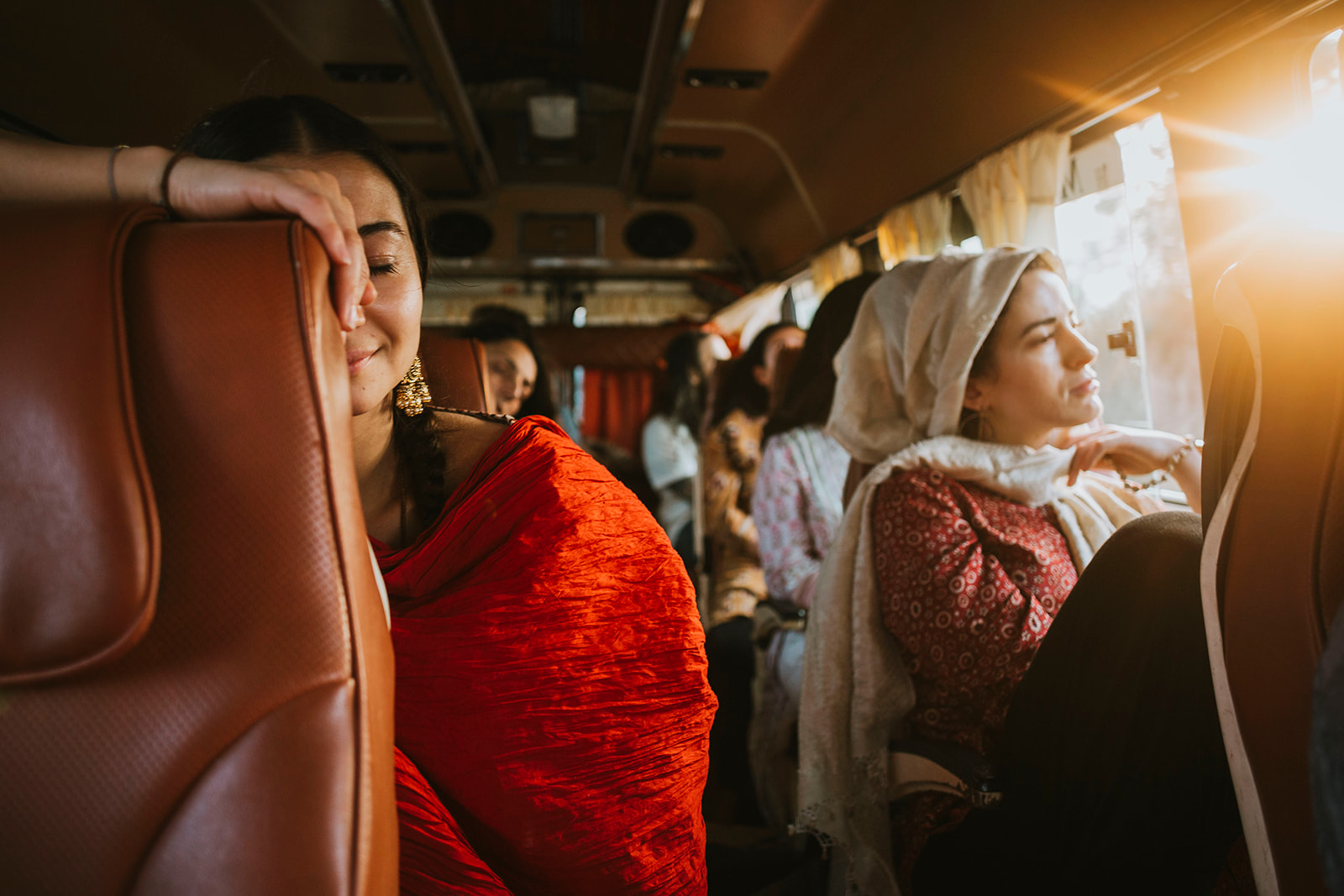
A group traveling together on an Indian pilgrimage

Planes Trains and Auto Rikshaws:

You'll book your flight into Mumbai arriving on the evening of January 12th. We'll pick you up from the airport and bring you to our hotel in Mumbai. We begin the retreat on the morning of the 13th.

Don't worry, Harshada, Ramya and the team know how to get you ready and take care of your body and mind. They will provide guidance on avoiding jet lag and we'll have a light schedule for the 13th. On the 14th, we load up the van and head into the adventure.

Our vans are simple but comfortable air conditioned vans with first class, highly experienced professional drivers.

We will also be traveling on trains and planes. We'll take a train together to travel to Gaṇeshpurī from Mumbai and when we fly from Mumbai to Kannur we will have a group reservation on a reputable Indian airline.

(We have no plans to ride in autorikshaws, but you never know!)

Being there

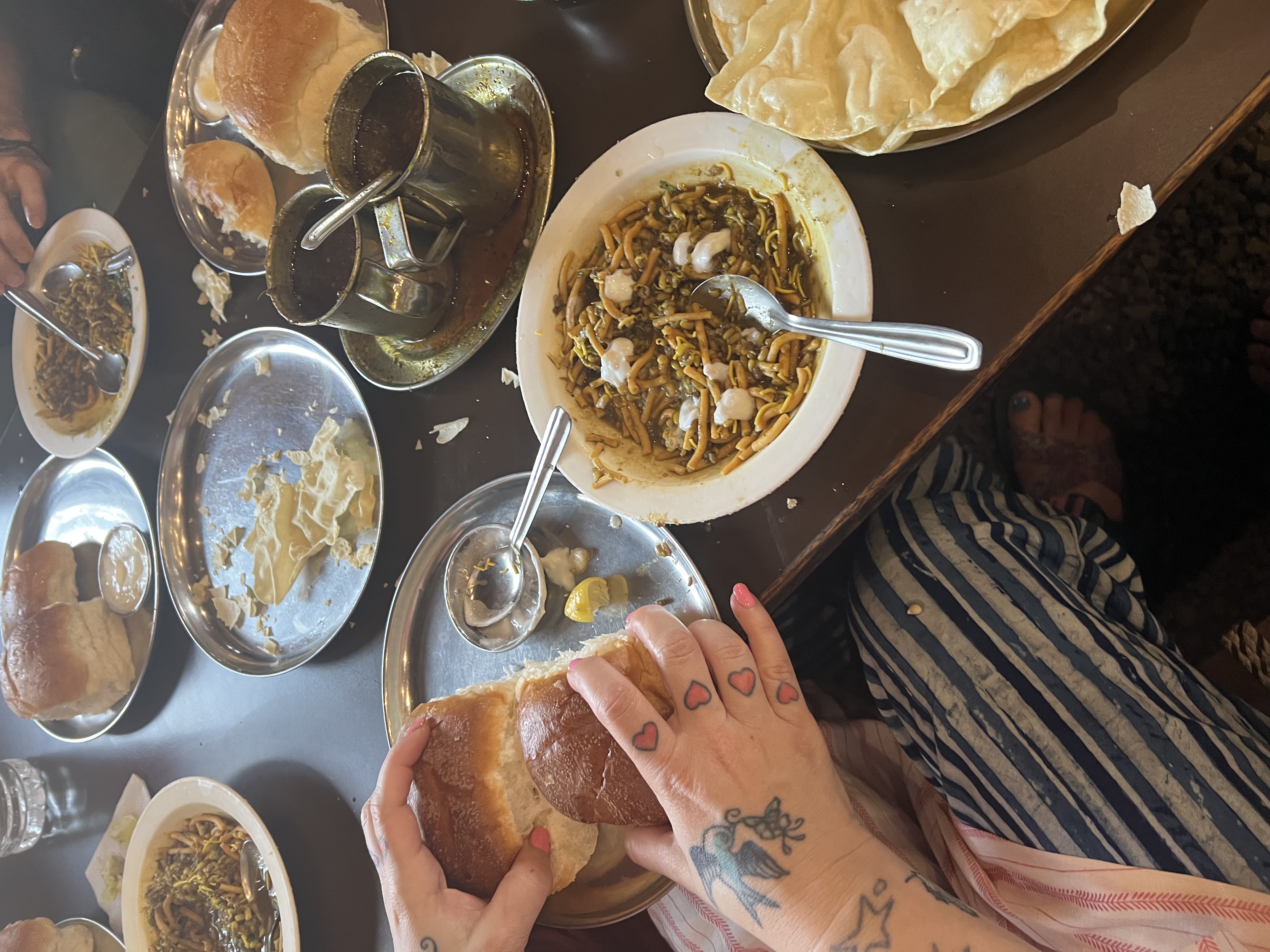
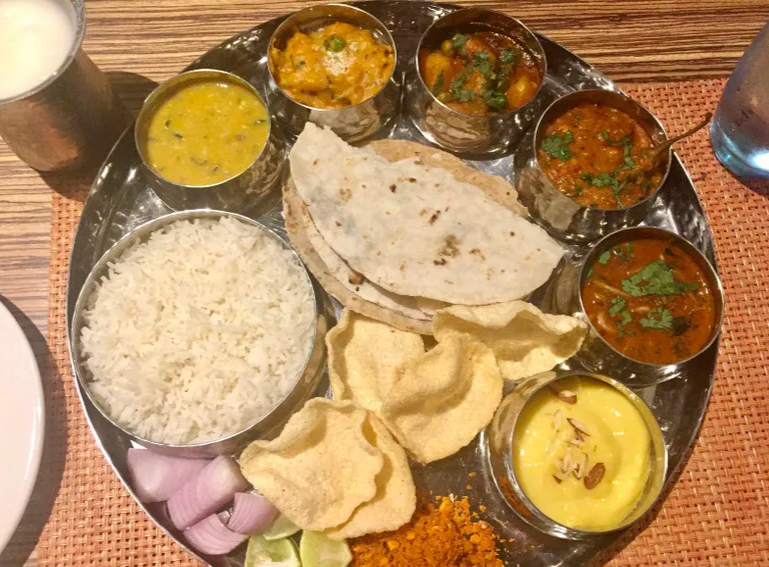
A meal from the India retreatA traditional Indian thali meal

Comfort and Care

We stay at a variety of Indian style hotels, retreat sites, and dharmashālās (pilgrim guest accommodations) with a range of western-standard comfort levels. We begin the trip in Mumbai at a comfortable 4 star hotel, but also stay in very simple accommodations in Gaṇeshpurī. Everywhere we go has electricity, running water, and hot water on demand. Everywhere we stay has western, commode-style toilets.

But, understand, this is not a “tour” or a “tourist” experience.

We will provide unlimited bottled drinking water and food of the highest quality and hygienic standards. We eat pure vegetarian (delicious) Indian food the whole time, breakfast, lunch and dinner. There is no meat, alcohol, or smoking for the entire retreat.

Along with the cultural orientation, Harshada will also provide an in-depth health orientation created by a tropical disease specialist that will teach you how to avoid falling ill from food borne illness or other unique tropical ailments like typhoid or malaria. We also recommend inoculations against typhoid and hepatitis and also that participants take anti malarial medication.

Pilgrimage

The yātrā is the practice.

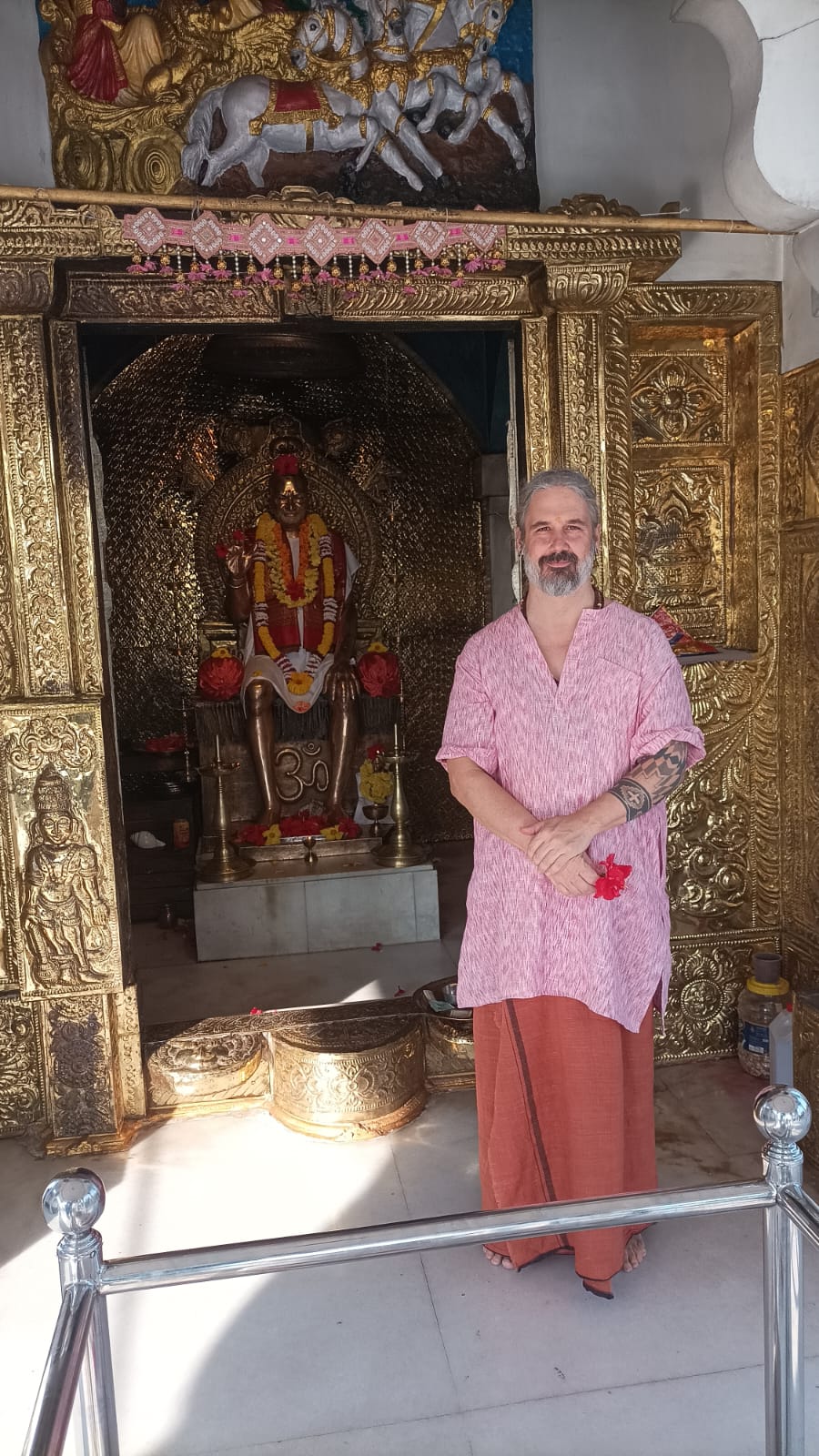
A pilgrim standing before a shrine in India

Our journey to India, in Sanskrit, is called a yātrā, meaning the spiritual practice of sacred pilgrimage. Unlike tourism, where the purpose of a trip is pleasure or entertainment, people go on yātrā for the sake of spiritual goals. The yātrika, or pilgrim, journeys to a sacred place to practice in a particular energy field, or to have the darśana, or sacred viewing, of a holy place or deity or holy person. Yātrā is an important practice for the faithful of nearly every religion.

In the Indian mystical tradition of yātrā, comfort is not the main concern. Sometimes, there are deliberate austerities included. A yātrika might observe vows during the yātrā such as fasting, celibacy, or silence. They might choose particularly austere forms of travel such as walking without shoes or even crawling on hands and knees to the sacred destination. These added austerities often times help to prepare the yātrika's mind and body to receive the blessing or insight or transformation they are seeking through the yātrā.

We don't observe any of these kinds of intense austerities on our yātrā. We do observe a pure vegetarian diet, abstain from drugs and alcohol, stay off our phones, and practice periods of silence, but otherwise we travel in relative comfort. But there is an element of austerity. We have a great deal of comfort by Indian standards, but comfort is not our main concern. We are challenged. We're challenged physically, mentally, culturally and spiritually. And we embrace the challenge as tapasyā, sacred austerity.

As a group of westerners, we also avoid a great deal of unwanted attention by traveling as yātrikas. We wear Indian clothing and generally conduct ourselves as pilgrims as we move around. The contrast with typical western travelers is stark, and this way we avoid locals trying to constantly sell us knick-knacks, or camel rides, or take selfies with us.
Destination: Nityāloka

We are traveling to the realm of Nityānanda.

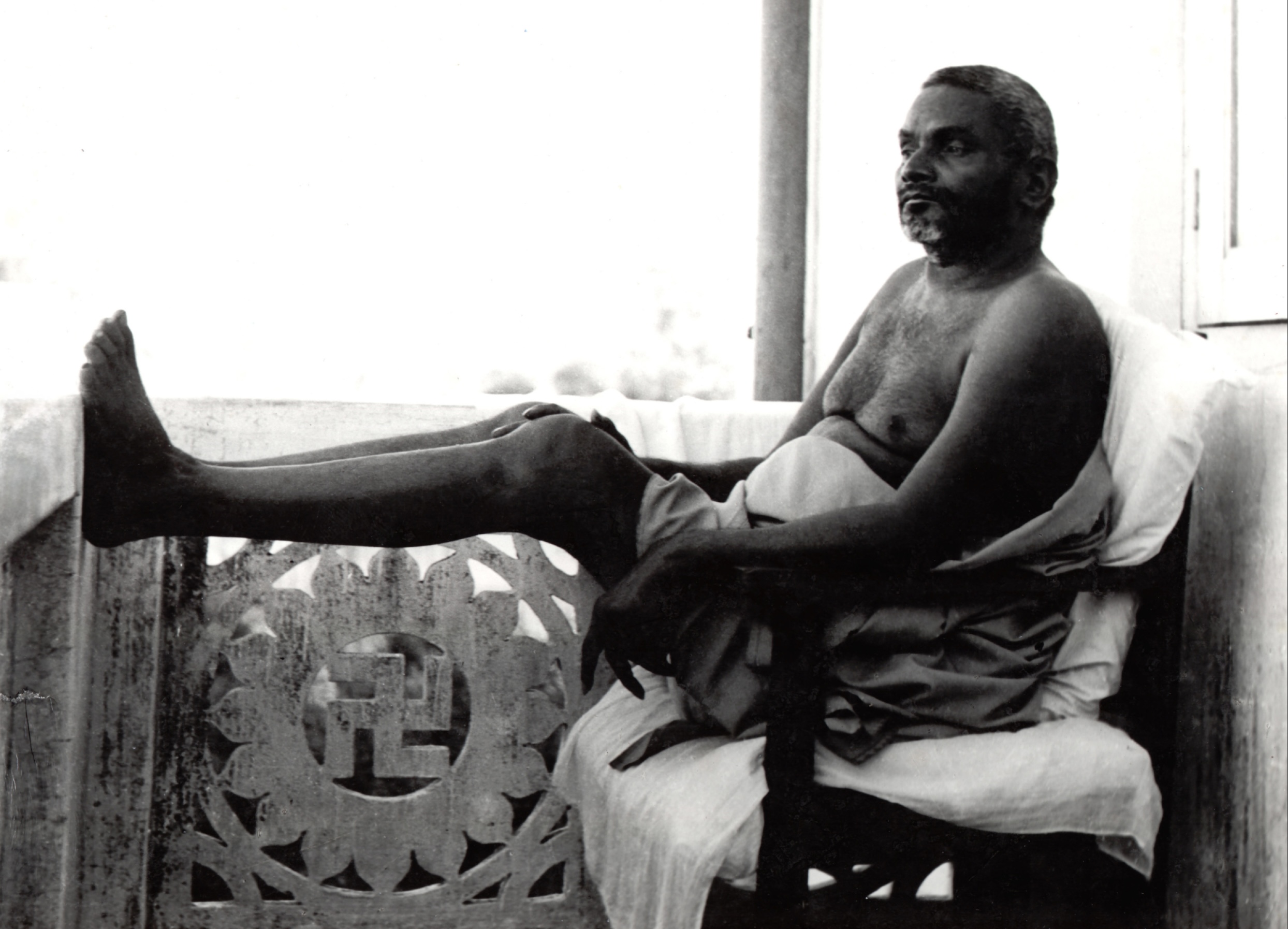
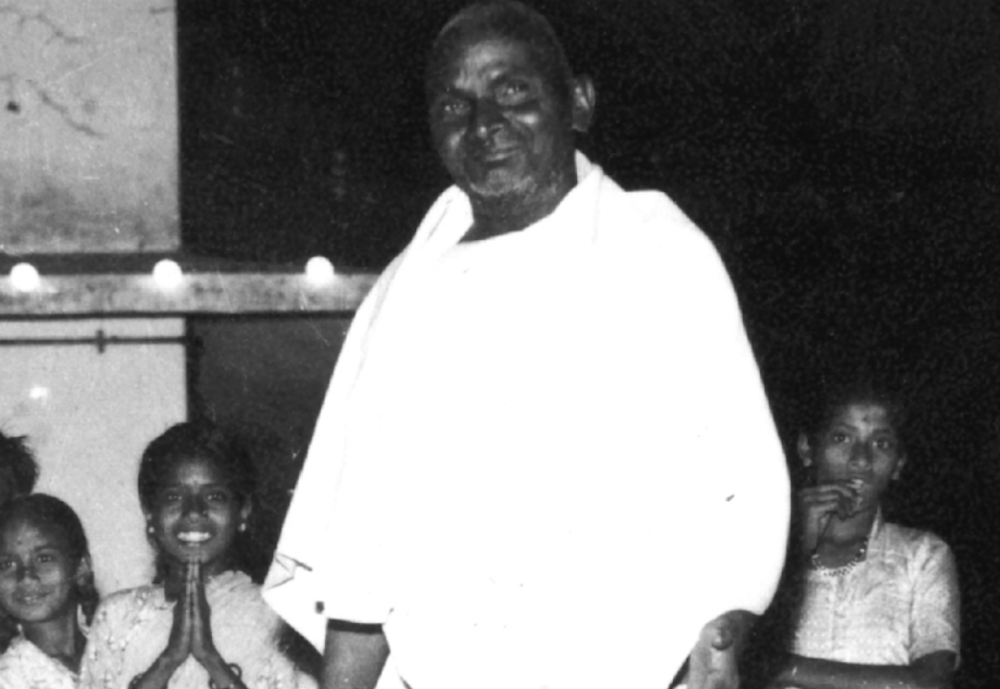
A historical photograph of Bhagawān Nityānanda

His Śakti is beyond time and space and location, but the locations where he spent time are especially charged with his presence. We will be focusing on four main places: Mumbai, Mahul, Gaṇeshpurī and Kanhangad.

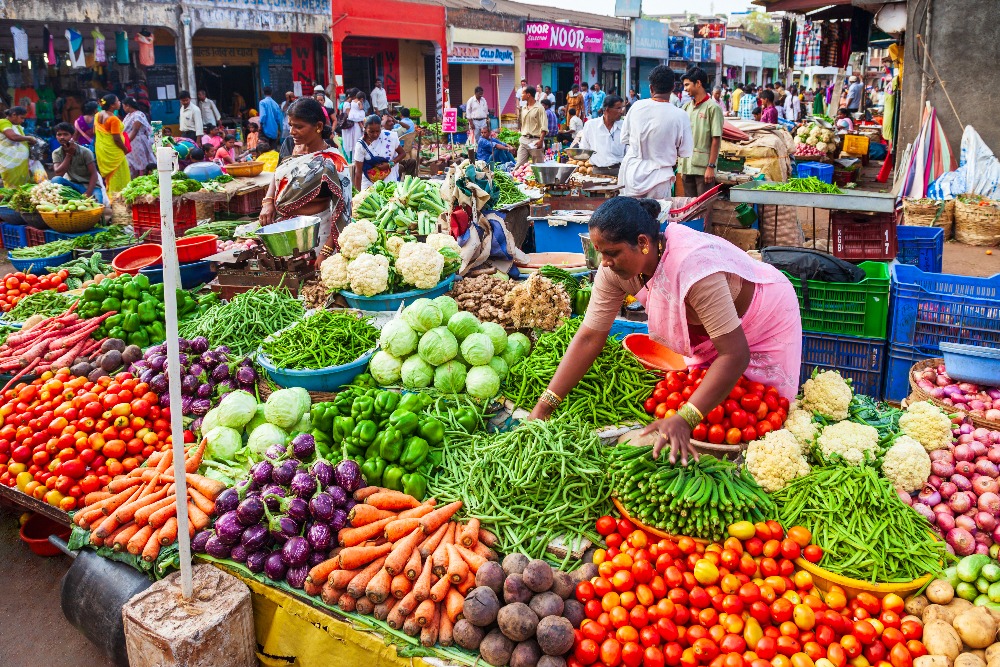
A vibrant produce market in Mumbai

01 · Mumbai

The base camp.

Also known as Bombay, Mumbai is a city like no other. It is a humming, super fun, dynamic massive city on the coast of the Arabian Sea with people from all over India. Bhagawān Nityānanda spent time in Mumbai and still has living disciples residing there.

We start the trip there enjoying the food and colors and using it's unique energy to orient us into the vibration of India. On the first day, we make one purchasing trip to get some Indian clothes. And visiting sites sacred to Bhagawān. This will be our “base camp” for our ascent into the world of Bhagawān Nityānanda.

A shrine to Bhagawān Nityānanda

02 · Mahul

Mumbai Satsaṅga

Mahul is a small fishing village on the outskirts of Mumbai. This is where Śālagrāma Svāmī, also known as Dayānanda, established a small āshram and Nityānanda Temple. Śālagrāma Svāmī was a very close disciple of Bhagawān who took living samādhi a few months before Bhagawān's samādhi in 1961.

In Mahul we will have the good fortune to have satsaṅga with Dr. Gopalkrishna Shenoy. His family were close personal devotees of Bhagawān, he himself had Bhagawān's darśana as a young child.

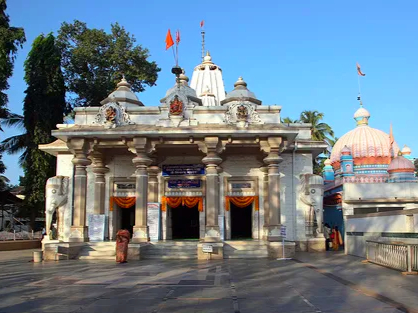
A white Hindu temple in Gaṇeshpurī

03 · Gaṇeshpurī

Sacred Land, Sacred Spaces

From Mahul we make our way to the holy land of Gaṇeshpurī, seated in the Tanza River Valley. In Gaṇeshpurī we will enter into deep retreat, spending 4 days meditating, doing yoga, chanting, and soaking in the Śakti of Nityānanda and also in the magical hot spring baths of Gaṇeshpurī.

Bhagawān's samādhi shrine, as well as his āshram Kailāsa Nivāsa, along with the samādhi of Śālagrāma Svāmī, Gurudev Siddha Pīṭha, and the Devī Temples of Bhadrakālī and Vrajeśvarī are all nearby.

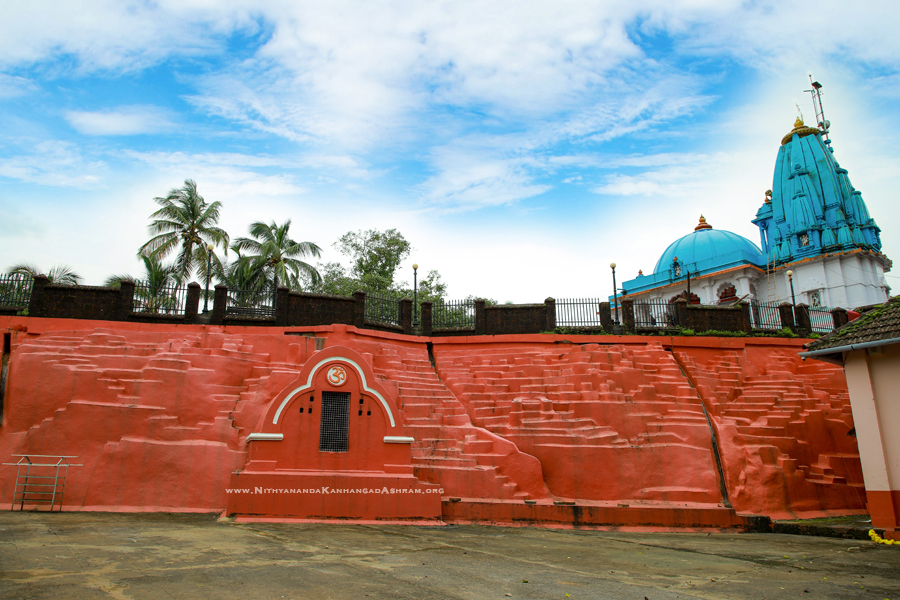
Nityānanda Kanhangad Āshram

04 · Kanhangad

His First Āshram

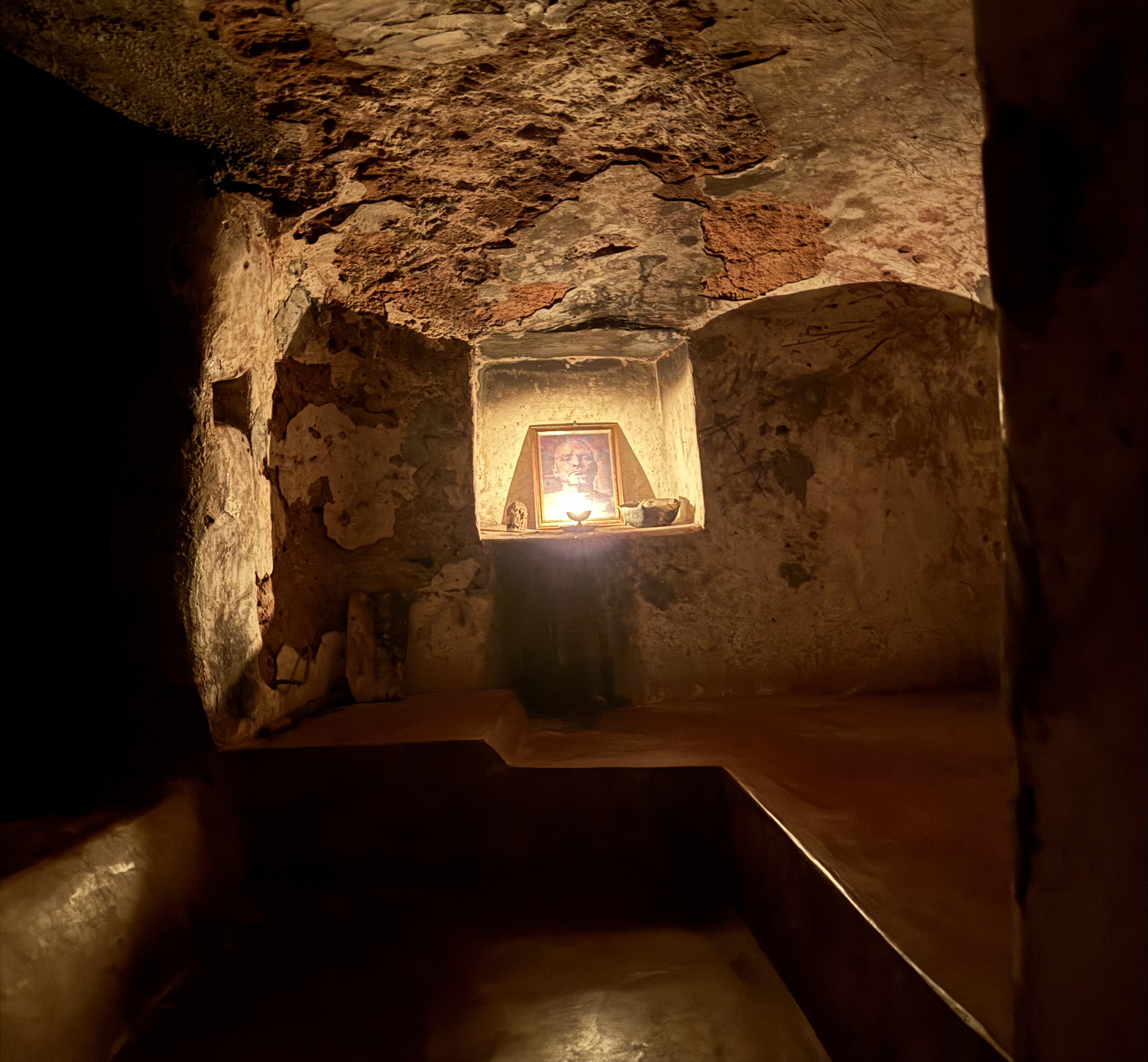
Kanhangad, a small village in northern Kerala, is where Bhagawān Nityānanda first settled an āshram. In the 1920's he oversaw the construction of 43 small meditation caves excavated from a single stone. We will visit the āshram daily and meditate in the caves and practice in the powerful temple.

During our stay in Kanhangad, we will also visit Guruvanam, the cave in the wilderness where Bhagawān practiced in his early days.

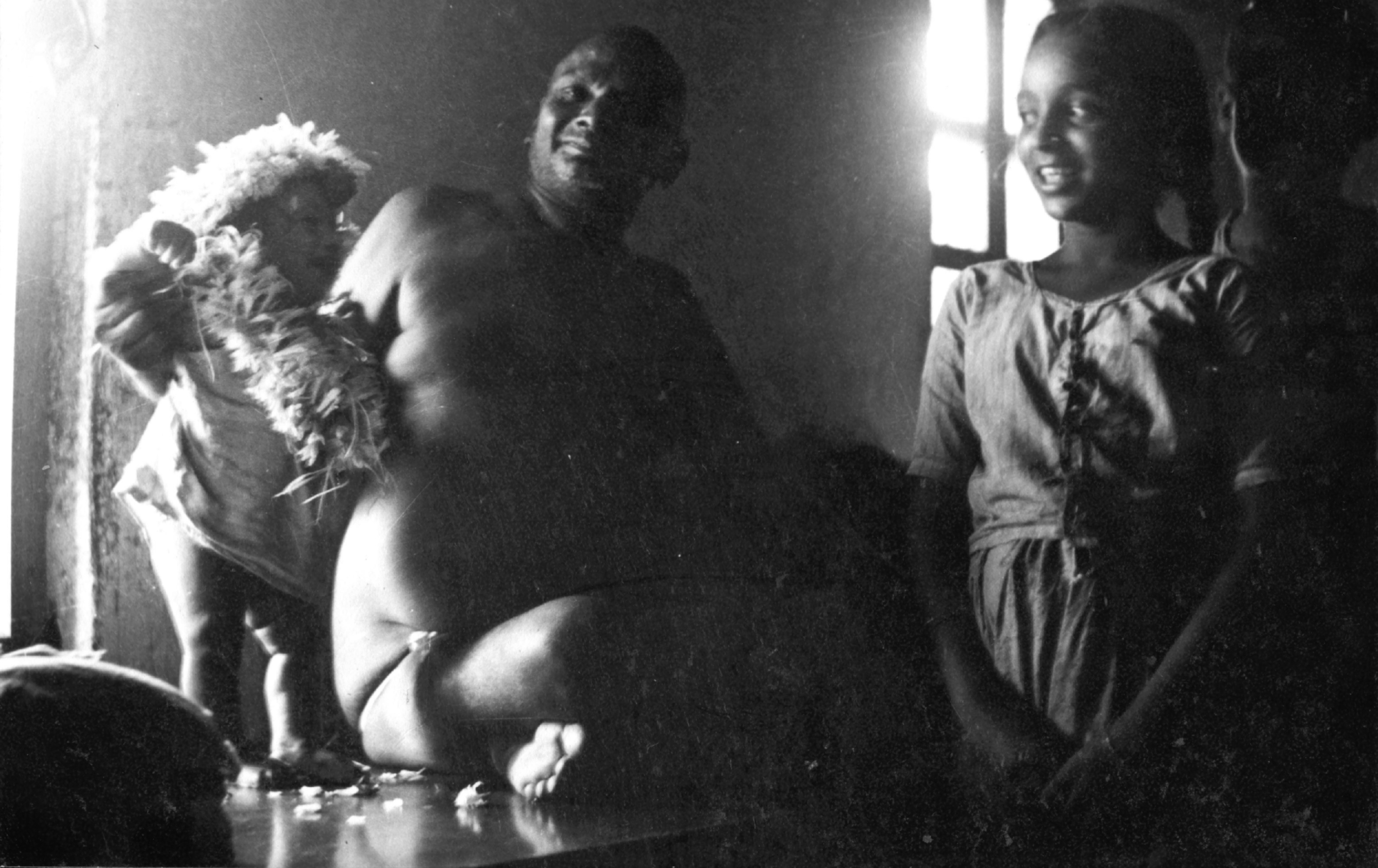
Nityānanda with children

Being with Him

Everywhere we go, we will have the luxury of focusing on our Beloved Bhagawān; his presence, his grace, his Mūrtis (sacred statues) and the places he inhabited. This retreat is a sādhana retreat. We will be practicing every day to keep our focus strong and keep increasing our capacity to recieve his blessings and grace. We will study his Chidākāśa Gītā and meditate on his form every day. We will chant together and sing his name and, as a group, we will be His.

AFTER THE RETREAT

Shopping Day!

To maintain the spiritual focus of the pilgrimage, we don't do any shopping during our journey. If you want to do some Indian Retail Therapy, we have a whole day for it! Participants can choose to stay an extra day in Mumbai which is dedicated for shopping and enjoyment. We visit the famous Chowpatti Beach the night before and spend the day romping in Mumbai.

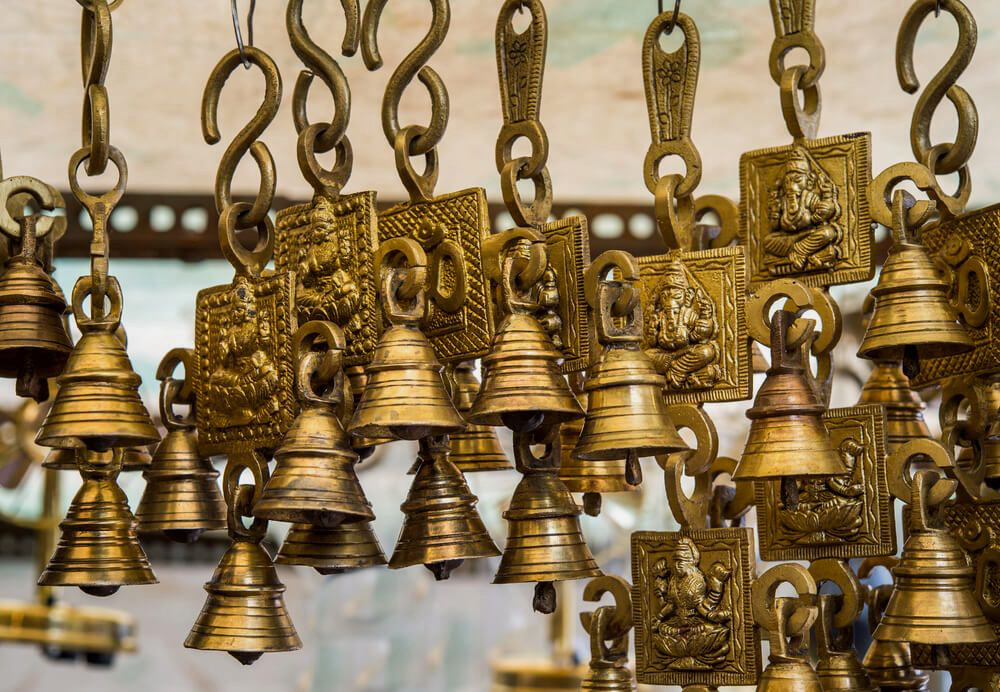
Brass bells and embossed Hindu deity plaques

Preparation

Before and after India.

If your application is accepted, you will be registered in an in-depth online training program. Ramya and Harshada will meet with the group via zoom to learn about the culture of India, and understand the core teachings and practices we'll be working with in the retreat. There will be 4 to 6 sessions. All zoom sessions will be recorded for review. These sessions are mandatory for all participants. After the Pilgrimage, we will continue with classes through February to ensure deep integration and completion of the training process.

Bhagawān Nityānanda surrounded by children

SMALL GROUP EXPERIENCE

It's not for everyone – but maybe for you.

Literally it's not for everybody because we only bring a small group. We limit the group to 8-10 participants and 3-4 retreat team members.

A small group allows us to be somewhat incognito and minimize the splash we make as go into the very authentic local restaurants, temples, and other sacred places. And the small group is with Ramya and Harshada the whole time. There are many formal teaching sessions, but lots of informal teaching and lots of care.

Also, this program is intense. By far, this is the most intense offering Harshada and Ramya have. Traveling in India is always intense to begin with, and in our case, it's more intense because of the spiritual dimension. We follow a retreat discipline for the whole time with minimal chit-chat, no distractions from social media, and a lot of practice.

More so than in any other offering, there is a deep surrender required for this program. Some people come to India with Harshada and Ramya again and again. Some people come just once but their life is never the same. For sure, if you are a sādhaka, a spiritual aspirant, the retreat is a deep initiation into the spiritual land where so many mystical traditions were born.

How to join

The first step is an application.

The team will look at your application and arrange a time to speak on Zoom to finalize application approval.

After your application is accepted, you'll be required to make a non-refundable deposit to hold your space.

The early registration fee for the whole program: $7450 (USD)*. Payment Plans are available on a case by case basis.

This includes pre and post-retreat training, all retreat activities, all local transportation, food and shared accommodation. Semi-private rooms in some locations are available for additional fees.

Yoga of Miracles retreat application

Tell us about yourself.

This application helps the team understand your experience, readiness, and intention for the pilgrimage.

A shrine inside a meditation cave in Kanhangad

Are you feeling called?